
The Fintech Revolution: How Technology is Transforming the Financial Sector
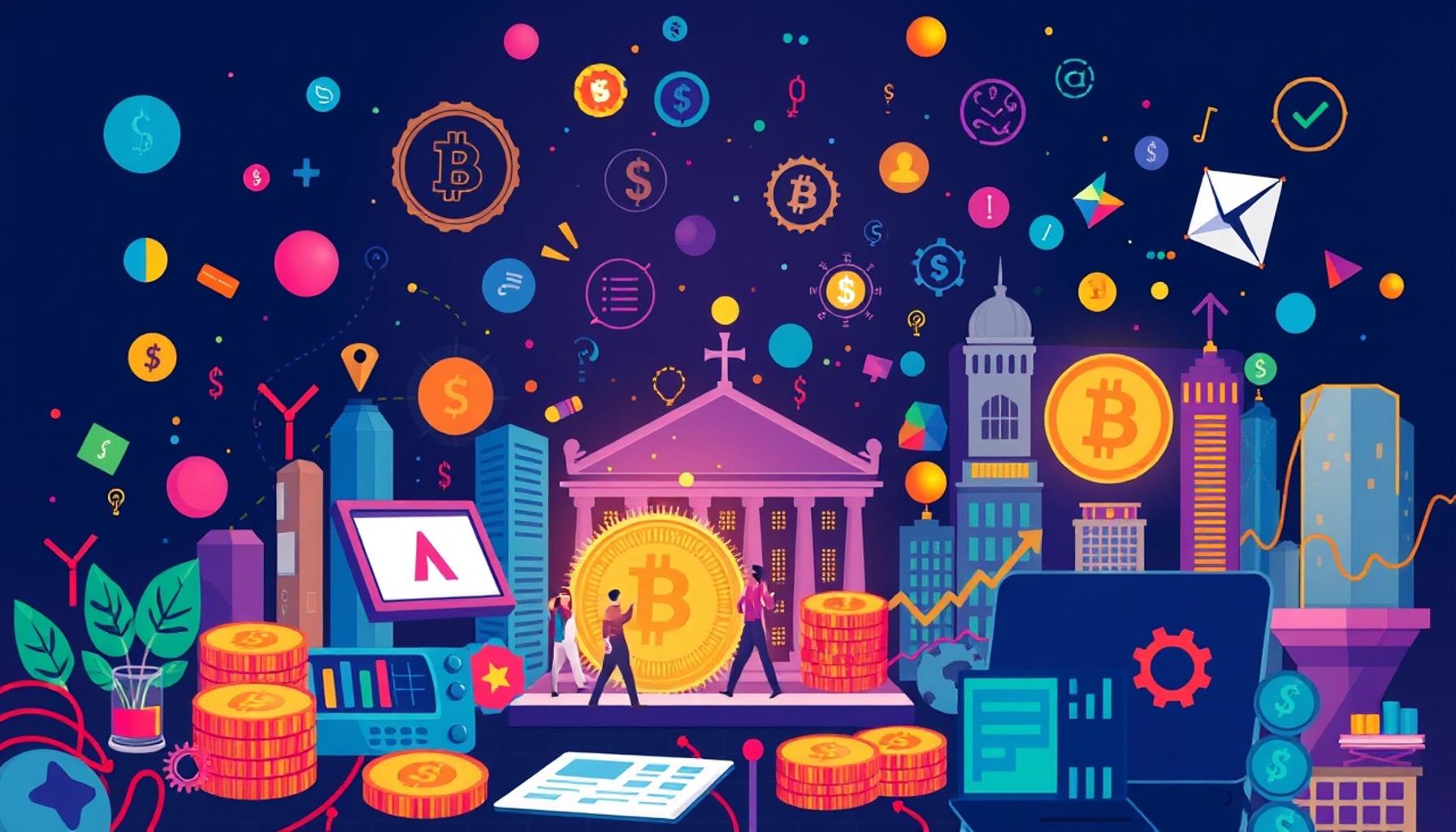
The Financial Sector’s Technological Evolution
The financial sector is witnessing a remarkable evolution, primarily fueled by the integration of technology into various facets of financial management. This transformation, widely known as fintech, is not just changing the way individuals and businesses conduct their financial transactions, but it is also redefining the underlying framework of the financial industry.
Several pivotal factors are driving this revolution, each contributing uniquely to the modernization of financial practices:
- Innovation: The emergence of new financial products and services is relentless. Innovative platforms are continually developed, such as alternate credit scoring systems that consider non-traditional data, offering borrowers better access to loans.
- Accessibility: Technology has democratized banking services. With mobile banking apps, individuals who previously lacked access to physical banks can now manage their finances online. This is especially crucial in rural areas of the United States, where residents might have had to travel significant distances to reach a brick-and-mortar bank.
- Efficiency: The automation of transactions has notably reduced processing times. For instance, personal loans that used to take days can now be approved within minutes due to automated underwriting systems that evaluate risk more swiftly and accurately.
Fintech solutions are also significantly altering consumer behavior, effectively reshaping how we think about money management. A few impactful examples include:
- Mobile Payments: User-friendly applications such as Venmo, Zelle, and Cash App allow instant money transfers between individuals, streamlining the process of sharing bills or splitting expenses among friends.
- Robo-Advisors: Automated platforms like Betterment and Wealthfront provide tailored investment advice based on users’ financial goals and risk tolerance, making investment opportunities more accessible to those who may have previously felt intimidated by the market.
- Blockchain Technology: The rise of cryptocurrencies such as Bitcoin and Ethereum, along with decentralized finance (DeFi) platforms, is revolutionizing traditional banking. For example, DeFi enables users to lend and borrow without intermediaries, showcasing a new way to secure financing and earn interest.
As we delve deeper into the intricate tapestry of technology and finance, it is imperative to acknowledge both the numerous benefits and the challenges that accompany this new landscape. On one hand, fintech enhances financial literacy by providing users with accessible educational resources and tools. On the other hand, it raises significant concerns regarding cybersecurity, as the increase in digital transactions could make users more vulnerable to fraud or data breaches.
The impact of fintech extends far beyond convenience, touching on aspects of consumer behavior, security, and even economic inclusivity. As technology continues to evolve, its importance in shaping a more efficient and equitable financial future cannot be overstated.
DIVE DEEPER: Click here to learn more
Transformative Technologies in Fintech
At the heart of the fintech revolution are several transformative technologies that are not only reshaping the financial sector but are also enhancing user experiences. Understanding these technologies will provide insight into how they carry the potential to revolutionize finance for businesses and individuals alike.
1. Artificial Intelligence and Machine Learning
One of the most significant advancements in fintech is the use of artificial intelligence (AI) and machine learning. These technologies allow financial institutions to analyze vast amounts of data quickly and accurately. For instance, AI is used in risk assessment, helping lenders make more informed decisions about who qualifies for loans. By analyzing previous borrowing patterns and identifying trends, AI can flag potential risks, leading to more tailored lending practices.
2. Peer-to-Peer Lending
Another notable development is the emergence of peer-to-peer (P2P) lending platforms. These platforms, such as LendingClub and Prosper, serve as intermediaries connecting borrowers directly with individual lenders. In this model, borrowers often receive lower interest rates because they are bypassing traditional banks. This system not only provides access to financing for those who might struggle to get loans through conventional means but also allows everyday investors to earn interest on their money, fostering a sense of community-driven financial support.
3. Digital Wallets and Cryptocurrencies
With the rise of digital wallets like PayPal, Apple Pay, and Google Wallet, people are increasingly relying on mobile technology for everyday transactions. These platforms offer a convenient and secure way to store and manage funds while eliminating the need for physical cash. Furthermore, the growing acceptance of cryptocurrencies offers an alternative to traditional currencies, allowing users to transact globally with lower fees compared to traditional banking systems.
4. RegTech: Ensuring Compliance
As regulations around financial transparency and data security become more stringent, regulatory technology (RegTech) is essential in the fintech landscape. RegTech companies leverage technology to help financial institutions comply with regulations efficiently and accurately. This includes automated reporting systems and tools that track compliance, minimizing the risk of errors that could lead to severe penalties.
5. Enhanced Security Measures
As with any digital transformation, security concerns are paramount. The fintech sector has responded with advanced security solutions, such as biometric authentication and end-to-end encryption, to protect sensitive information. Users can now rely on fingerprint scans or facial recognition to ensure their accounts are securely accessed, significantly reducing fraud risks.
The interplay between these technologies is at the forefront of the fintech revolution. Each innovation not only enhances efficiency, security, and accessibility but also paves the way for a more inclusive financial environment. As we continue to explore this evolution, it is crucial to understand how these advancements are influencing consumer behavior and the broader financial ecosystem.
DISCOVER MORE: Click here to learn about the latest in renewable energy technologies
Expanding Financial Services Accessibility
The fintech revolution is not just limited to the enhancement of existing financial services; it is also significantly expanding accessibility to financial services for underserved populations. This expansion is marked by a few key developments that are making finance more inclusive than ever before.
1. Mobile Banking Solutions
Mobile banking applications have transformed how consumers interact with their finances. Gone are the days when individuals had to physically visit banks for transactions. With apps like Chime, Cash App, and Venmo, users can manage their finances from the palms of their hands. This accessibility is particularly beneficial for those in rural areas or low-income neighborhoods, where traditional banking institutions may be scarce. Mobile banking not only provides convenience but also facilitates immediate money transfers and budgeting tools, making it easier for users to keep track of their spending.
2. Financial Education and Tools
Recognizing that financial literacy is crucial for effective money management, many fintech companies have integrated educational resources within their platforms. Companies like NerdWallet and Credit Karma offer users insights into credit scores, loan options, and savings strategies. These tools empower individuals with knowledge and resources needed to make informed financial decisions. As a result, users can better navigate the complexities of personal finance, helping them save money and avoid pitfalls.
3. Inclusive Insurance Solutions
In addition to banking, fintech is reshaping the insurance industry through insurtech, which uses technology to enhance the insurance process. Startups like Lemonade and Metromile provide tailored insurance plans that cater to specific needs, often at lower prices. These platforms use data and analytics to offer policies that may have been inaccessible to low-income individuals or those with previous claims. By providing more personalized coverage options, insurtech is helping to broaden access to insurance, a crucial safety net for individuals and families.
4. Alternative Credit Scoring Models
The traditional credit scoring system often leaves many deserving individuals without access to loans or financing. Fintech innovations are addressing this by developing alternative credit scoring models. Companies such as Upstart and Petal evaluate potential borrowers based on a broader range of criteria, including income, education, and even personal habits, rather than solely relying on credit histories. This fresh approach gives a more accurate representation of a person’s creditworthiness and opens doors for individuals previously denied access due to conventional scoring barriers.
5. Blockchain Technology and Smart Contracts
Beyond cryptocurrencies, blockchain technology is also impacting various aspects of finance, including the concept of smart contracts. These are self-executing contracts with the agreement directly written into code. This ensures that transactions are executed automatically when conditions are met, minimizing the need for intermediaries. By reducing reliance on third parties, smart contracts promise to decrease costs, speed up transactions, and enhance the transparency of financial agreements.
These innovations illustrate not just a technological shift but a cultural one, as consumers demand more accessible, efficient, and user-friendly financial services. As we look ahead, the relationship between fintech and the consumers it serves will likely continue to evolve, demonstrating that technology is indeed a powerful catalyst for change in the financial sector.
DISCOVER MORE: Click here to learn about the latest in cyber threats and security
Conclusion: Embracing the Future of Finance
The fintech revolution represents more than just a technological advancement in the financial sector; it signifies a fundamental transformation in how we access, manage, and understand money. With innovations such as mobile banking solutions, enhanced financial education, and inclusive insurance options, consumers now experience a more equitable and streamlined approach to financial services. The advent of alternative credit scoring models and blockchain technology further underscores the ability of fintech to democratize finance, addressing previously unmet needs and expanding opportunities for individuals across various demographics.
As we reflect on this transformation, it is essential to recognize the responsibility that comes with it. Consumers must prioritize financial literacy to navigate this evolving landscape effectively, while fintech companies must strive for transparency and inclusivity in their offerings. The synergy between technology and finance not only empowers consumers but also fosters a sense of community, enabling people to support one another in making informed financial decisions.
Looking forward, the implications of the fintech revolution will likely continue to unfold in unexpected and exciting ways. As technology advances, we can anticipate an increasingly interconnected financial future, where services are not only more efficient but also tailored to meet the diverse needs of a global population. Ultimately, the transformation of the financial sector illustrates a hopeful narrative: through innovation, we can build a world where financial services are accessible, affordable, and beneficial to all.

Linda Carter
Linda Carter is a writer and expert known for producing clear, engaging, and easy-to-understand content. With solid experience guiding people in achieving their goals, she shares valuable insights and practical guidance. Her mission is to support readers in making informed choices and achieving significant progress.