
The Impact of Social Media on Crisis Communication in Philippine Companies
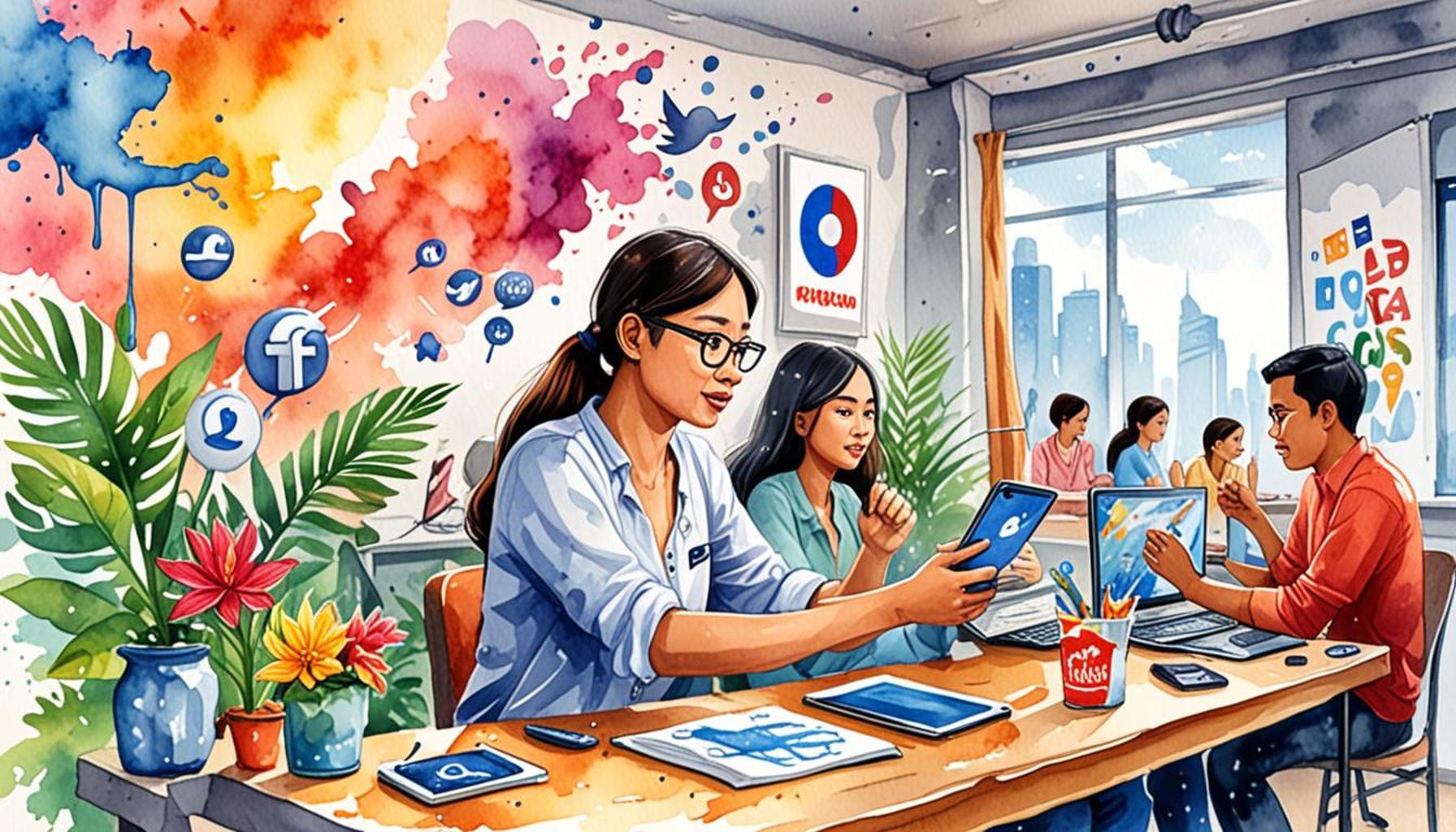
Transformative Impact of Social Media on Crisis Communication
In the age of digital communication, the role of social media has become increasingly vital, especially in crisis situations. Companies in the Philippines recognize that effective crisis management is no longer just about public relations announcements; it is about engaging with their audience on platforms where they are most active. The implications of this shift are profound, as proper social media management during crises can protect a company’s reputation and foster customer loyalty.
Real-Time Communication
One of the most significant advantages of social media is the ability to communicate in real time. For instance, during a natural disaster like Typhoon Ulysses, businesses can utilize platforms like Facebook and Twitter to provide timely updates about store closures, service disruptions, and safety protocols. This immediacy not only helps keep customers informed but also mitigates the spread of misinformation, which can exacerbate a crisis. Companies that act quickly on social media can often set the narrative, ensuring that their perspective reaches consumers before rumors take hold.
Public Sentiment Analysis
Moreover, social media serves as a powerful tool for gauging public sentiment. By monitoring comments and interactions, businesses can assess their customers’ reactions and tailor their responses appropriately. For example, if a company faces backlash for a controversial statement, they can analyze comments and sentiment on social media to develop a more empathetic and effective approach to communication. This kind of responsive engagement is crucial; it shows consumers that the company is listening and values their input, helping to alleviate negative reactions and fostering a more supportive community.
Transparency and Trust
In today’s market, where consumers demand transparency, social media offers a platform for businesses to communicate openly with their audience. By sharing authentic updates, companies can build trust, which is especially important in crisis management. For instance, during the COVID-19 pandemic, many Filipino businesses took to social media to share their operational changes, safety measures, and support for local communities. Such transparency not only reassured customers but also encouraged loyalty, as consumers felt more connected to brands that demonstrated corporate responsibility.
As businesses in the Philippines navigate the complexities of this digital landscape, it is essential to understand the long-term implications of social media strategies in crisis management. A proactive approach not only mitigates immediate risks but also lays a foundation for future resilience. By integrating these strategies, companies can foster a positive brand image that endures beyond the crisis phases, ultimately enhancing their market position and ensuring sustained success.
CHECK OUT: Click here to explore more
Strategic Adaptation to the Digital Landscape
As Philippine companies embrace the dynamic nature of social media, they must also recognize the strategic necessity of adapting their crisis communication plans to align with digital engagement. The rapidly evolving online environment presents both challenges and opportunities that can shape a company’s operational approach during a crisis. Specifically, organizations can focus on several key areas to enhance their crisis communication strategies within the context of social media:
- Developing a Comprehensive Social Media Policy: Companies must create guidelines that outline how employees should behave and communicate on social media during a crisis. This policy should include protocols for engaging with customers, responding to negative comments, and sharing sensitive information. By establishing clear expectations, organizations can prevent potential miscommunications that could arise during high-pressure situations.
- Identifying Key Social Media Channels: Not all social media platforms are equally effective for crisis communication. Companies should focus on the channels where their target audience is most active. For instance, in the Philippines, platforms like Facebook, Instagram, and Twitter dominate the social media landscape. By identifying and prioritizing these channels, companies can ensure their messages reach the intended audience promptly.
- Investing in Training and Preparedness: Proper training for employees and communication teams is essential. Companies should invest in workshops that teach staff how to navigate social media during crises. Equipped with the right skills, employees will be able to respond swiftly and effectively, minimizing the impact of any negative situations. Regular simulations can help in preparing teams for potential scenarios they might encounter.
- Utilizing Analytics Tools: Employing social media analytics tools can provide insights into audience engagement and sentiment. By tracking interactions, companies can gauge public perception and adjust their messaging accordingly. Understanding how customers are reacting in real time allows businesses to pivot their strategies, focusing on transparency and responsiveness.
In addition to these strategic practices, it is crucial for Philippine companies to prioritize relationship-building with their customers through social media interactions. A proactive stance not only aids in immediate crisis response but also fosters a sense of community and loyalty among consumers. Engaging in regular communication and showing genuine concern during crises can lead to enduring positive relationships that benefit businesses long after the crisis has passed.
Moreover, the financial implications of utilizing social media for crisis communication are significant. Companies that invest in robust social media strategies may witness a decrease in the overall costs associated with reputation management and customer service. By having a strategic plan in place, businesses are less likely to incur losses due to consumer backlash or misinformation.
In the long run, the adaptation of social media in crisis communication can lead to a more resilient organizational structure. By acknowledging the importance of digital engagement and proactively managing crises through the lens of social media, Philippine companies can not only mitigate risks but also create a solid framework for financial success and stability in the future.
CHECK OUT: Click here to explore more
Navigating Financial Implications Through Social Media Engagement
The effective use of social media during crises does not merely hinge on real-time engagement; it also has profound financial implications that can determine the long-term viability and success of Philippine companies. By considering how crisis communication strategies impact financial health, businesses can make informed decisions that foster sustainability and growth.
One of the most notable avenues for positive financial outcomes is the concept of brand loyalty. During a crisis, how a company communicates on social media can directly influence customer trust and loyalty. For instance, during natural disasters, Filipino consumers often look to familiar local brands for assurances and guidance. Companies that demonstrate empathy, provide timely information, and effectively manage crises through social media can foster a loyal customer base. This loyalty can translate into repeat business and higher customer lifetime value, ultimately affecting the company’s bottom line in a positive way.
Moreover, companies that strategically invest in digital marketing and crisis communication training can anticipate financial efficiencies that arise from decreased damage control costs. An organization’s ability to swiftly address misinformation and manage negative sentiments can minimize the extent of reputation damage. For example, a Philippine telecommunications company that faced backlash due to service disruptions during a recent typhoon quickly addressed consumer concerns through coordinated social media responses. Their proactive stance effectively mitigated potential financial losses from customer churn and negative reviews.
Additionally, investing in social media listening tools enables companies to monitor online chatter and adapt their communication strategies promptly. These tools help organizations detect emerging issues before they escalate, allowing for proactive rather than reactive measures. For instance, if a food and beverage company observes a surge in negative commentary regarding product safety on social media, they could respond quickly with transparency and corrective action, thus preventing declines in sales or legal repercussions.
Furthermore, the integration of social media analytics into financial forecasting can provide valuable insights into market trends and consumer preferences. By analyzing engagement data, organizations can better predict how consumer sentiment may fluctuate during and after crises. This data can be instrumental when planning budget allocations for marketing, product development, and customer service enhancements in the future.
Philippine companies also benefit from adopting a community-oriented perspective in their crisis communication. Engaging in community support initiatives publicly shared through social media can foster goodwill. For instance, a local retail business that actively participates in relief efforts during a natural disaster can enhance its reputation and strengthen ties with the community. This not only aids in crisis management but can also lead to greater market share as conscious consumers are more likely to support brands that align with their values.
Lastly, the absence of a well-structured social media crisis communication plan can lead to significant financial repercussions, including legal costs and diminished trust among stakeholders. Philippine companies must recognize that investing in social media strategies during crises is not just a matter of operational necessity but also a critical component of long-term financial planning. The digital landscape is becoming increasingly complex, and organizations that fail to adapt may find themselves unprepared and vulnerable to future challenges.
CHECK OUT: Click here to explore more
Conclusion: Long-Term Strategies for Financial Resilience
In conclusion, the impact of social media on crisis communication in Philippine companies is profound and multifaceted, shaping not only how businesses interact with their consumers during challenging times but also influencing their long-term financial viability. The ability to harness social media effectively during crises can transform potential threats into opportunities for strengthening brand loyalty and enhancing corporate reputation. Companies that prioritize timely and empathetic communication on these platforms are likely to emerge from crises with strengthened consumer trust and improved customer retention.
Furthermore, investing in crisis communication training and utilizing social media listening tools positions organizations to better respond to emerging challenges and mitigate risks associated with misinformation and negative sentiment. By focusing on proactive rather than reactive strategies, Philippine companies can significantly reduce potential financial losses and cultivate a resilient brand image.
The importance of a community-oriented approach during crises cannot be overstated, as companies that engage actively with their communities through social media not only reinforce their market presence but also resonate with the values of Filipino consumers. This alignment fosters goodwill and can lead to a more substantial market share in the long run.
Ultimately, the digital landscape necessitates that Philippine companies reevaluate and upgrade their crisis communication plans. The absence of robust strategies can lead to severe financial repercussions, including damage to their reputation and legal costs. By strategically investing in social media and crisis management, companies can secure a stronger financial future while navigating uncertainties with poise and confidence.

Linda Carter
Linda Carter is a writer and marketing specialist who helps businesses and entrepreneurs build strong brands and effective growth strategies. With extensive experience guiding companies to increase their market visibility and make data-driven decisions, she shares practical marketing insights on our platform. Her goal is to empower readers with actionable advice and proven techniques to achieve sustainable business growth and marketing success.