
Digital Inequality: How Digital Literacy Affects Marginalized Communities in the US
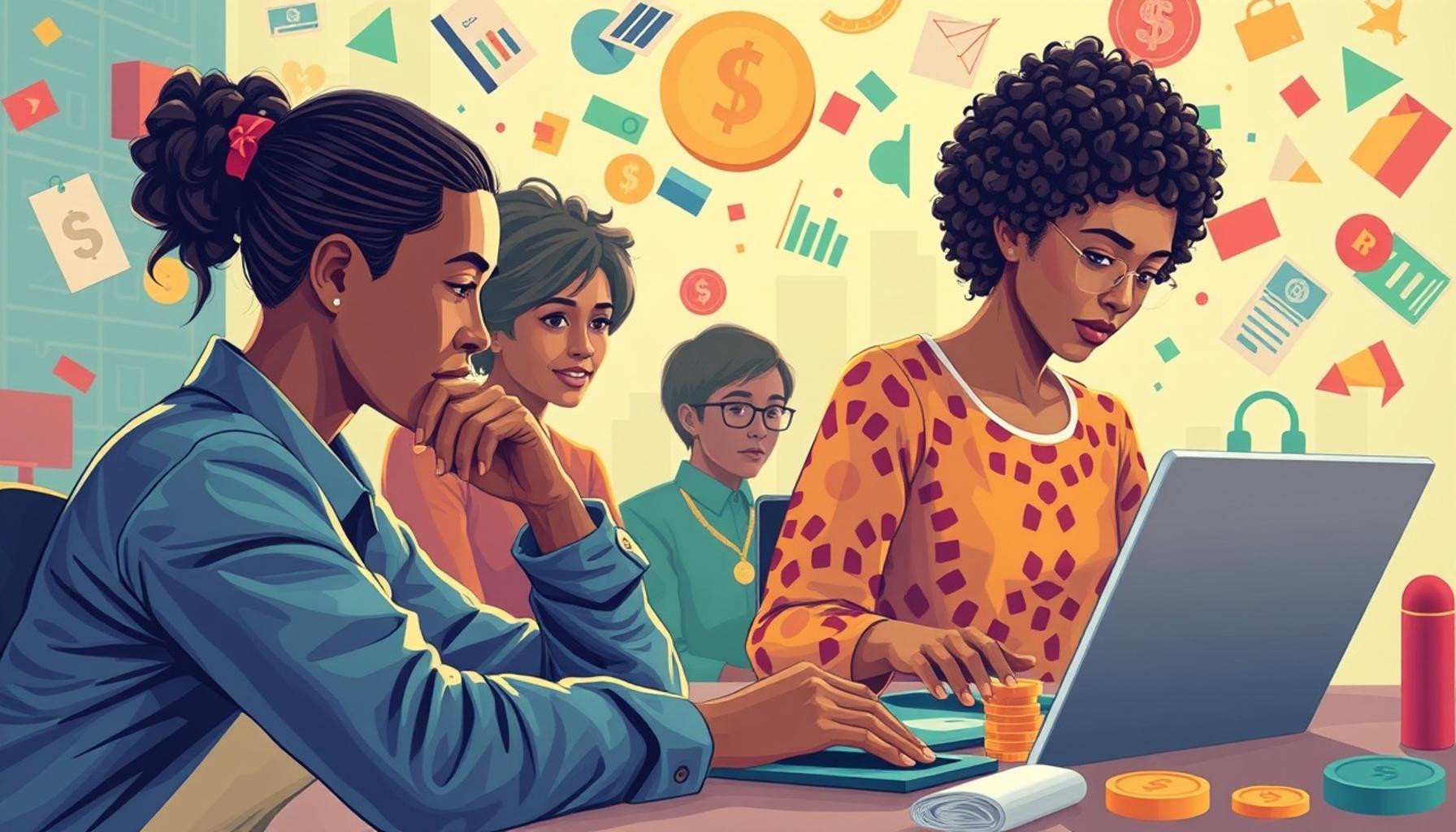
A Deep Dive into Digital Inequality
The internet has transformed how we communicate, learn, and conduct business. While many enjoy seamless access to this powerful tool, countless marginalized communities across the United States continue to grapple with profound digital inequality. This concept refers to the uneven distribution of access and skills necessary to effectively utilize technology and the internet.
Digital inequality manifests in various ways, with three primary factors being particularly impactful:
- Lack of access to high-speed internet: In rural areas and low-income urban neighborhoods, connectivity problems can be pervasive. According to the Federal Communications Commission (FCC), millions of Americans still lack access to reliable broadband. This limitation hampers their ability to work from home, engage in online learning, and access entertainment or information that many take for granted.
- Limited exposure to digital tools and platforms: Without regular interaction with technology, individuals may not know how to operate essential software or navigate online resources. For example, an elderly person may have little experience with smartphones or laptops, preventing them from connecting with family members via video calls or using telehealth services for medical consultations.
- Insufficient training to navigate technology effectively: Even if individuals have access to the internet, they may lack the training needed to use it efficiently. Community workshops or educational programs focusing on digital literacy can provide necessary skills, yet such resources are often scarce in underserved areas.
These barriers create a self-perpetuating cycle of disadvantage. Without the ability to develop necessary digital skills, individuals may struggle to:
- Participate in the job market: Many employers now require job applications to be submitted online. Those lacking digital skills may miss out on employment opportunities.
- Access government services and healthcare: Services such as unemployment benefits, social security, and access to healthcare programs often require online application and navigation, which can be daunting for those unfamiliar with technology.
- Engage in online educational programs: With more education shifting online, low-income students without access to reliable internet or digital skills may fall behind their peers who can easily participate in virtual classes.
Recognizing and addressing the gaps in digital literacy is vital for fostering equal opportunities. By developing targeted programs aimed at enhancing digital skills, community centers and educational institutions can empower individuals, helping them to improve their economic standing and overall quality of life. For example, partnerships with local libraries can provide free access to computers and training sessions, bridging the digital divide for community members.
In conclusion, closing the digital literacy gap not only uplifts affected individuals but also strengthens entire communities, making it essential to advocate for solutions that promote equitable access to digital resources.
DIVE DEEPER: Click here to uncover more insights
The Impact of Digital Inequality on Daily Life
Understanding the ramifications of digital inequality is essential for recognizing how it affects marginalized communities daily. The absence of access to digital tools, combined with inadequate digital literacy, can severely limit individuals’ opportunities and outcomes in various aspects of life. This phenomenon not only perpetuates existing inequalities but also fosters new challenges in an increasingly digital world.
One of the most significant effects of digital inequality is on employment opportunities. The landscape of job searching and applications has shifted dramatically over the years, with most employers now requiring candidates to apply online. For instance, individuals in marginalized communities may lack the ability to submit their applications digitally, preventing them from applying for jobs they might otherwise qualify for. Consequently, their chances of securing employment diminish, perpetuating cycles of poverty and economic disadvantage.
Moreover, the digital divide extends its reach into education. As schools increasingly adopt online learning tools, students from less advantaged backgrounds may find themselves at a distinct disadvantage. For example, a student without reliable internet access may be unable to participate in virtual classes or complete assignments. This lack of engagement hinders their educational development, leading to lower academic performance compared to peers who seamlessly connect to online resources.
Additionally, digital inequality poses challenges when accessing healthcare services. Many healthcare providers now utilize telehealth options for consultations, which can improve access to care for individuals in remote areas. Yet, those without the skills to navigate these platforms or without broadband internet face significant barriers. For instance, an individual seeking a routine medical appointment may struggle to engage with telehealth services, limiting their ability to manage chronic conditions or seek preventative care.
Furthermore, digital inequality complicates engagement with civic services. Many government services, including unemployment assistance and food stamps, are increasingly offered online. For example, a worker displaced by job loss may need to apply for unemployment benefits, which require digital navigation that they may not be equipped to handle. This potential inability to access necessary support exacerbates their financial woes, creating further stress in an already challenging situation.
In summary, the effects of digital inequality are profound and far-reaching, influencing employment, education, healthcare, and civic engagement. Addressing these disparities is vital for empowering marginalized communities and enabling them to thrive in a digital age that continues to evolve at an unprecedented pace. The way forward involves not just improving access to the internet but also investing in comprehensive digital literacy programs. These programs should target specific community needs and promote the development of essential skills that can help bridge the digital divide.
DIVE DEEPER: Click here to discover more about ethical AI challenges
Barriers to Digital Literacy Development
While the impacts of digital inequality are stark, understanding the barriers to developing digital literacy within marginalized communities provides further insight into the complexity of this issue. Several factors contribute to the difficulties these communities face in acquiring the necessary skills to navigate the digital landscape effectively.
One significant barrier is the absence of infrastructure. Many low-income neighborhoods, especially in rural areas, lack high-speed internet access. According to the Federal Communications Commission (FCC), around 20% of rural Americans are still without access to reliable broadband services. This infrastructural gap not only prevents individuals from accessing online resources for learning but also hampers their ability to practice their digital skills in a real-world context. For instance, without internet access, a teenager might miss out on critical programming tutorials or online study groups, stunting their potential career opportunities in the tech field.
Moreover, economic constraints also play a vital role in perpetuating digital inequality. Many families in marginalized communities prioritize essential expenses such as housing and food over purchasing digital devices like laptops or tablets. As a result, children may have to share outdated devices or complete assignments on smartphones, which can be cumbersome and limit their ability to interact with educational content effectively. Educational sessions that promote digital literacy lack resources, such as modern computers and reliable internet connections, which are crucial for practical learning experiences.
Another layer to this issue is limited exposure to digital environments. Individuals who have not been required to use technology in their daily lives, such as older generations or those working in manual labor jobs, may feel overwhelmed at the prospect of engaging with the digital world. This lack of familiarity can lead to a fear of technology, which in turn creates a reluctance to seek help or participate in digital literacy programs. For example, a community member who has never experienced online banking might hesitate to enroll in a digital financial literacy workshop, fearing they might not understand the content.
The role of community support networks is critical in addressing these barriers. Often, marginalized communities may lack robust institutions that provide digital literacy training or resources. Community centers, libraries, and schools can be pivotal in offering training classes; however, they frequently lack funding and staff to implement comprehensive digital literacy programs. For example, a local library in an urban area may host a weekly class on how to navigate job search websites, yet this effort could only reach a fraction of the community if staffing shortages limit class sizes.
Addressing these barriers to digital literacy involves collaborative efforts. Schools, local governments, and nonprofit organizations must work together to create outreach programs that not only teach digital skills but also make technology more accessible. Such initiatives could include providing free or low-cost internet access, offering workshops that cater to all ages, and developing mentorship programs that connect skilled individuals with those who seek to learn. By focusing on these areas, communities can begin to break down the barriers that hinder the development of digital literacy, ultimately promoting a more equitable digital future.
LEARN MORE: Click here to discover how AI is safeguarding sensitive data
Conclusion
In summary, the issue of digital inequality profoundly affects marginalized communities across the United States, showcasing the urgent need for attention and action. Barriers such as infrastructure challenges, economic constraints, and limited exposure to technology contribute to a cycle that perpetuates inequality and restricts opportunities for growth and development. It is clear that without targeted interventions to enhance digital literacy, individuals in these communities will continue to struggle in an increasingly digital world.
To build a more equitable landscape for all, stakeholders—including government bodies, educational institutions, and nonprofit organizations—must collaborate effectively to address these barriers. Initiatives aimed at providing affordable internet access, offering pertinent training workshops, and fostering community support networks will be critical in empowering individuals with the skills necessary to thrive in the digital age. Furthermore, incorporating mentorship programs can help demystify technology and build confidence among those who may feel intimidated by it.
Ultimately, fostering digital literacy is not just about teaching technical skills; it is about unlocking potential and ensuring that every individual has a fair chance to succeed in their personal and professional lives. By prioritizing digital literacy efforts, we can help bridge the gap and create a society where everyone can participate fully in the digital economy, paving the way for a brighter and more inclusive future.

Linda Carter
Linda Carter is a writer and expert known for producing clear, engaging, and easy-to-understand content. With solid experience guiding people in achieving their goals, she shares valuable insights and practical guidance. Her mission is to support readers in making informed choices and achieving significant progress.