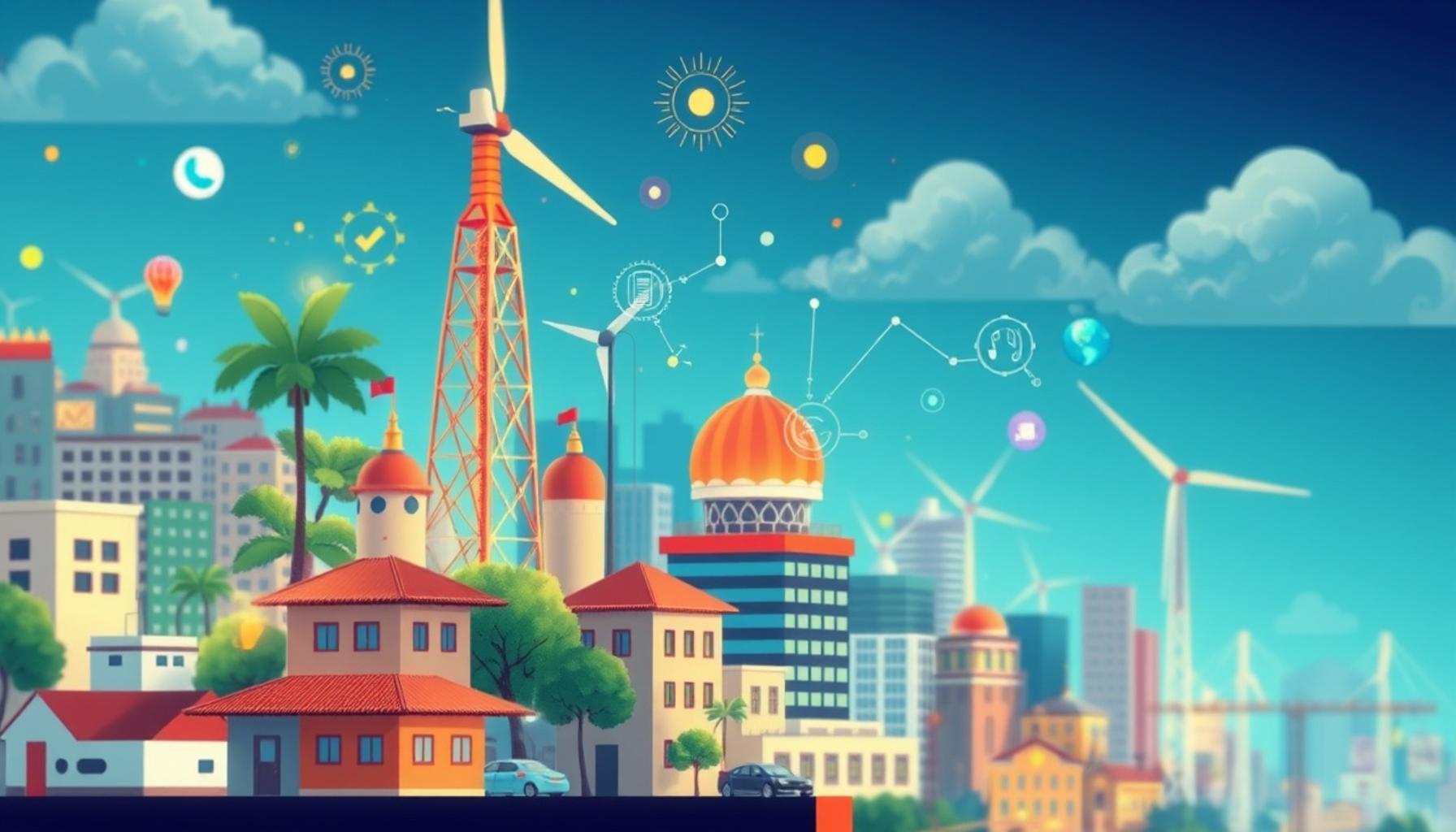
Green Building Technology: Innovative Materials for Sustainable Constructions
The Importance of Green Building Technology
Green building technology is revolutionizing the construction industry, addressing the urgent need for environmental sustainability in our built environments. These technologies work towards creating structures that not only meet functional and aesthetic demands but also significantly reduce the ecological impact of construction practices. By focusing on efficient resource management and innovative designs, green buildings contribute to both energy conservation and improved living conditions for their occupants.
Exploring Green Building Materials
When we talk about green building materials, we encounter a diverse range of options that cater to the principles of sustainability. Here are some detailed examples:
- Recycled materials: Utilizing reclaimed wood from old barns or recycled metals from deconstructed buildings minimizes waste and decreases reliance on virgin resources. For instance, many modern homes are built using reclaimed timber, which adds character and uniqueness while reducing environmental impact.
- Natural materials: Materials such as bamboo, which grows rapidly and can be harvested without destroying its root system, and straw bales, which are a byproduct of grain farming, are excellent choices. Both materials are renewable, energy-efficient, and have minimal negative environmental effects compared to traditional building materials.
- High-performance insulation: Insulation products made from spray foam or cellulose derived from recycled newspapers enhance a building’s energy efficiency. These materials help to maintain temperatures, resulting in dramatic reductions in heating and cooling costs, as seen in many energy-efficient homes across the United States.
Advantages of Choosing Green Materials
Incorporating these sustainable materials offers a multitude of benefits that extend beyond mere aesthetics. Here are several key advantages:
- Reduced carbon footprint: Buildings constructed with green materials tend to emit fewer greenhouse gases. For example, a study by the U.S. Green Building Council found that green buildings can significantly lower their lifecycle emissions, contributing less to climate change.
- Energy efficiency: By opting for smart material choices, owners can enjoy dramatically reduced energy bills. This not only lessens the demand for electricity from the grid but also promotes energy independence and sustainability.
- Enhanced indoor air quality: Many sustainable materials contain fewer volatile organic compounds (VOCs), which can lead to better indoor air quality. This is particularly critical for homes and schools, where children spend significant amounts of time, ensuring better health and well-being.
The Future of Building Materials
As we advance technologically, the landscape of building materials continues to evolve. Innovations such as self-healing concrete and solar-integrated roofing systems demonstrate the potential for even greener solutions. Adopting these progressive practices not only fosters sustainable construction methods but also creates pathways toward a healthier, greener future for all. With continued interest and investment in green building technology, we can redefine what it means to build responsibly, ensuring that our structures harmonize with the environment rather than detract from it.
DIVE DEEPER: Click here to discover innovative applications
Innovative Materials Driving Green Building Practices
In the quest for sustainability, innovative materials have emerged as the core elements in green building technology. These materials not only fulfill the practical demands of construction but also embody the principles of sustainability. Understanding these materials and their functionalities is crucial for architects, builders, and homeowners who wish to embrace eco-friendly practices.
One prime example of innovative materials is cross-laminated timber (CLT). This engineered wood product consists of layers of lumber glued together in a cross pattern, which enhances its strength and stability. CLT is gaining popularity because it serves as a sustainable alternative to steel and concrete, both of which have a higher carbon footprint. Buildings constructed with CLT can be as strong and durable as traditional structures, but with a significantly lower environmental impact. The impressive thermal performance of CLT also aids in energy efficiency, keeping heating and cooling costs manageable.
Another noteworthy material is hempcrete, a biocomposite made from hemp fibers and lime. Hempcrete is lightweight, highly insulating, and carbon-negative, which means that it actually sequesters carbon dioxide from the atmosphere. Used primarily as an infill material, hempcrete not only helps regulate indoor temperatures but also contributes to healthier living conditions by absorbing moisture and reducing the risk of mold formation.
Additionally, the use of bio-based materials is on the rise in the green building sector. These materials, derived from renewable resources, such as soy-based foams or mycelium (the root structure of mushrooms), demonstrate remarkable properties including insulation, durability, and energy efficiency. As awareness about the benefits of bio-based materials grows, many builders are beginning to incorporate these unique substances into their designs, highlighting the potential of nature-inspired solutions to create sustainable buildings.
Revolutionary Developments in Building Materials
As the green building movement continues to evolve, several pioneering materials promise to change the way we approach construction:
- Self-healing concrete: This innovative concrete contains bacteria that can produce limestone when exposed to water, effectively sealing cracks and extending the lifespan of structures.
- Solar photovoltaic glass: This technology integrates solar energy generation directly into windows, allowing buildings to produce their own energy while maintaining natural light and aesthetics.
- Phase-change materials (PCMs): PCMs can absorb and release thermal energy, helping to regulate indoor temperatures. They can be incorporated into walls, ceilings, or flooring for enhanced energy efficiency.
By selecting and incorporating such revolutionary materials, the construction industry can address sustainability challenges head-on while providing structures that are energy-efficient, durable, and have a reduced environmental impact. As we continue to innovate and explore these materials, the future of green building looks promising and increasingly more attainable.
DIVE DEEPER: Click here to discover more
Emerging Technologies Enhancing Sustainable Construction
In addition to the innovative materials previously discussed, emerging technologies are also playing a pivotal role in transforming the green building landscape. These advancements not only complement the use of sustainable materials but also enhance the overall efficiency and functionality of buildings designed for the future.
One such technology is 3D printing, which has started to revolutionize construction practices. By using eco-friendly materials like recycled plastics or biodegradable composites, 3D printing can significantly reduce waste and construction time. Moreover, this technology allows for the creation of complex shapes that traditional construction methods struggle to achieve, resulting in unique and highly customized structures. One notable example is the first fully 3D-printed home constructed in Texas, demonstrating the potential for this technology to create affordable and sustainable housing solutions.
Another exciting development is smart building technologies. These systems are equipped with sensors and automation that optimize energy efficiency while ensuring occupant comfort. Smart thermostats learn the habits of inhabitants and adjust heating and cooling accordingly, significantly reducing energy consumption. Furthermore, smart lighting systems can adjust brightness based on natural light levels and occupancy, minimizing electricity use. With the growing demand for energy-efficient buildings, integrating smart technologies into construction plans is becoming increasingly vital.
Natural Insulation and Air Quality Enhancements
Insulation is a key aspect of energy-efficient buildings, and many innovative natural materials are making strides in this area. Expanded cork agglomerate is one such material derived from the bark of cork oak trees. This renewable resource provides excellent thermal insulation, is fire-resistant, and has the added benefit of being lightweight. As a bonus, cork’s natural properties help to regulate indoor humidity, contributing to improved air quality. The use of cork insulation can help reduce the overall energy load of a building, making it an appealing choice for eco-conscious builders.
Additionally, the importance of low-VOC (volatile organic compounds) materials cannot be overstated. Traditional construction materials often release harmful chemicals into the indoor environment, leading to poor air quality and health issues. In contrast, low-VOC paints, adhesives, and finishes are designed to minimize these emissions, creating a healthier environment for occupants. Popular products certified by organizations such as Green Seal or the EPA’s Safer Choice program can help builders select materials that contribute to sustainable, eco-friendly living spaces.
Furthermore, green roofs and living walls are gaining traction in urban environments as a means to improve insulation, increase biodiversity, and combat the heat island effect. These systems utilize vegetation to provide natural insulation, absorb rainwater, and enhance air quality. They not only promote natural habitat in urban areas but also offer aesthetic benefits, creating green spaces in densely populated regions.
As these emerging technologies and materials become more accessible, they have the potential to significantly reshape the construction industry. By embracing and integrating these innovations, builders can cultivate sustainable, energy-efficient buildings that are not only beneficial to the environment but also promote the health and well-being of their occupants.
DISCOVER MORE: Click here to find out how!
Conclusion
In summary, green building technology represents a significant shift towards sustainable construction practices that prioritize both environmental responsibility and occupant health. The use of innovative materials such as recycled plastics, low-VOC products, and natural insulation options not only reduces the ecological footprint of new buildings but also enhances energy efficiency and indoor air quality. These materials provide tangible benefits, making them appealing to both builders and homeowners alike.
Moreover, advancements such as 3D printing and smart building technologies further contribute to the evolution of sustainable construction by streamlining processes and promoting energy efficiency. The integration of such technologies allows for more creative designs and customized solutions that meet the growing demand for sustainable living spaces. As urban areas continue to expand, incorporating solutions like green roofs and living walls is crucial in mitigating urban heat effects and increasing biodiversity.
Ultimately, the adoption of these innovative materials and technologies signifies a collective movement towards a greener future in construction. It is essential for industry stakeholders, including builders, architects, and policymakers, to embrace and promote these advancements. By doing so, we can work towards creating healthier, more sustainable environments that enhance the quality of life for current and future generations. The journey towards sustainable construction is not just beneficial for the planet—it’s a necessary evolution that shapes a resilient and thriving society.

Linda Carter
Linda Carter is a writer and expert known for producing clear, engaging, and easy-to-understand content. With solid experience guiding people in achieving their goals, she shares valuable insights and practical guidance. Her mission is to support readers in making informed choices and achieving significant progress.