
Innovations in Renewable Energy: The Role of Tech Startups in the Green Transition
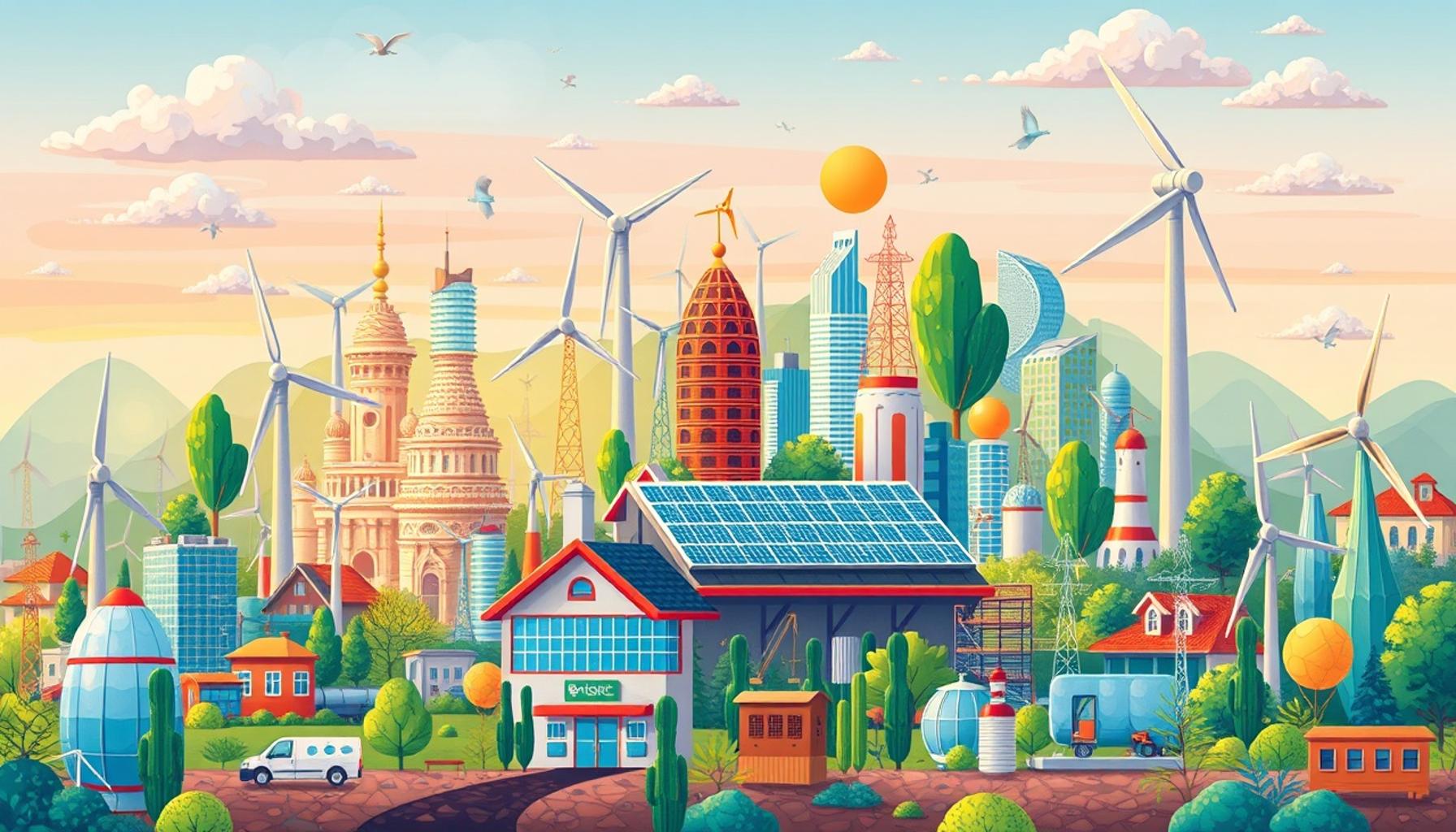
Revolutionizing Energy Solutions
The world today is at a critical juncture where the demand for innovative energy solutions is more pressing than ever before. The shift towards renewable energy sources is not merely a trend; it is an essential journey towards a sustainable future. At the heart of this movement are tech startups that are introducing groundbreaking ideas and technologies designed to combat climate change and streamline energy use.
In the domain of solar energy, companies are making considerable strides in creating solar panels that are not only more efficient but also cost-effective. For instance, the latest advancements in photovoltaic technology allow solar cells to capture a broader spectrum of sunlight, significantly increasing their energy conversion rates. Startups like **Sunfolding** have introduced innovative tracking systems that enhance solar energy harvest without relying on traditional, expensive materials. These changes have made solar energy a more viable option for residential and commercial use across the United States.
Wind power is another area where innovation is transforming the landscape. New turbine designs, such as vertical-axis wind turbines, are improving energy capture in both high and low wind conditions. Companies like **Ogin** are experimenting with smaller, more efficient turbines that can be deployed in urban areas, thereby expanding the reach of wind energy generation beyond remote farms and fields.
The tackling of energy storage challenges is vital as well. With the rise of renewable energy sources, effective storage solutions become indispensable to ensure a reliable power supply. Startups like **Tesla** are leading the charge with advanced lithium-ion battery technologies that enable homeowners and businesses to store surplus energy generated from solar or wind sources for later use. This advancement in energy storage not only contributes to energy independence for users but also aids in stabilizing the overall grid.
Beyond just production and storage, these startups are also addressing the challenge of reducing emissions. For example, firms that develop carbon capture technologies aim not only to minimize the carbon footprint of existing industries but also to establish a circular economy where waste products are reformed into valuable resources.
Furthermore, smart grid technologies are fundamentally altering the way energy is distributed and utilized. By integrating advanced data analytics and IoT devices, these companies are improving energy management systems, enhancing efficiency, and enabling real-time monitoring. This innovation is not only beneficial for reducing overall consumption but also assists in integrating diverse renewable sources into the grid efficiently.
As we explore these themes further, it becomes clear that tech startups are not just creating new products; they are serving as architects of a more sustainable future. Their creativity and commitment to advancing the renewable energy sector directly influence how we will power our homes, transport, and industries in the coming years. By embracing and investing in these innovations, society can look forward to more sustainable development as part of our everyday lives.
DISCOVER MORE: Click here to learn about digital literacy
Pioneering Technologies for Sustainable Energy
As we delve deeper into the innovations provided by tech startups in the renewable energy sector, it’s essential to highlight how these emerging companies are reshaping the landscape of energy production and consumption. Their creativity and nimbleness allow them to pivot quickly and respond to environmental challenges with innovative solutions tailored to meet the needs of today’s consumers and industries.
The solar energy sector, for instance, has seen an influx of startups that not only aim to improve efficiency but also focus on accessibility. Companies like **Sunnova** are pioneering financing models that make solar power more attainable for homeowners. By offering lease options and power purchase agreements, they lower the upfront costs typically associated with solar installations. This democratizes energy access and encourages more households to switch to renewable sources.
In addition to financing innovations, tech startups are also exploring sustainable materials for solar panel production. Startups such as **NexWafe** are working on developing solar wafers from silicon that are thinner and lighter, significantly reducing the material costs and waste production associated with traditional manufacturing processes. This approach aligns with the emerging zeitgeist of sustainable production, which is essential for reducing the carbon footprint of solar energy itself.
Another vital area of innovation is wind energy, where startups are rethinking traditional methods to make them more effective. For example, **Vertax** is introducing a new wind turbine design that combines lightweight materials with advanced aerodynamics, allowing for more efficient energy conversion even at lower wind speeds. This technology is particularly transformative for urban environments where land is scarce but energy demand remains high. The integration of such solutions can facilitate wind energy generation on rooftops or small urban sites, making it a feasible option in more locations.
Furthermore, let’s explore the advancements being made in energy storage. Effective storage technologies are crucial for maximizing the utility of intermittent energy sources like solar and wind. Emerging companies are not only focusing on advanced battery technology but are also innovating non-battery solutions. Startups such as **Energy Vault** are developing gravity-based energy storage systems that utilize recycled materials to create large-scale storage solutions without reliance on traditional lithium-ion batteries. This approach reduces environmental impact and provides a durable storage mechanism to stabilize the grid.
Here’s a brief overview of the facets in which tech startups are making significant contributions to renewable energy:
- Efficiency Improvements: Enhanced technologies in solar and wind energy production.
- Innovative Financing Options: Models that help consumers invest in renewable technologies easily.
- Sustainable Materials: Use of eco-friendly materials in manufacturing processes.
- Cutting-Edge Storage Solutions: Innovative methods for storing renewable energy effectively.
With these pioneering technologies and creative approaches, tech startups are not just participating in the renewable energy sector; they are setting the pace for its evolution. By prioritizing sustainability, efficiency, and accessibility, they are making significant strides toward a greener future.
DIVE DEEPER: Click here to learn more
Empowerment Through Data and Connectivity
In addition to the tangible innovations in hardware and material, tech startups are fundamentally transforming the renewable energy landscape through data analytics and connectivity. As the energy sector becomes increasingly digital, the use of data-driven insights has become paramount for optimizing energy generation and consumption.
One of the most significant breakthroughs in this arena is the use of smart grid technologies. Startups like **Grid Edge** are developing software that harnesses data from various energy sources and consumers to enable more efficient energy distribution. By employing real-time data analytics, these platforms can predict energy demand and manage supply more effectively. This not only reduces energy waste but also ensures that renewable energy sources are utilized to their fullest potential. Homeowners equipped with smart meters can interact directly with the grid to optimize their energy use, contributing to a more resilient energy landscape.
Demand response systems are another area where startups are making significant strides. Companies like **Uplight** are offering customers incentives to reduce or shift their power usage during peak demand periods, which helps alleviate stress on the grid and reduces reliance on fossil fuels. This proactive engagement with consumers not only empowers them to play an active role in energy management but also fosters a culture of sustainability and energy conservation.
The Role of Artificial Intelligence
The incorporation of artificial intelligence (AI) in renewable energy is also gaining momentum. Startups such as **Drake Energy** are utilizing AI-driven algorithms to enhance the efficiency of energy systems, predicting fluctuations in energy capture from solar panels or wind turbines based on weather patterns and historical data. Even more impressively, AI can optimize energy use in real time, allowing businesses and residents to benefit from lower energy costs while simultaneously minimizing their carbon footprint.
Innovating in Hydropower
Hydropower, often overlooked, is receiving attention from innovative startups as well. Companies like **Bluefield Hydropower** are developing small-scale, modular hydropower solutions that can be installed locally on rivers and streams. These systems can produce renewable energy without the ecological disruptions associated with traditional large dams, allowing communities to harness local water resources for sustainable energy. This decentralized approach to hydropower not only increases energy security but also promotes community investment in renewable solutions.
Circular Economy Approaches
The concept of a circular economy is also gaining traction among renewable energy startups. Companies such as **Closed Loop Partners** are investing in projects that ensure materials used in renewable technologies are repurposed and recycled effectively. This not only extends the life cycle of products but also minimizes waste and reduces the need for new raw materials. By focusing on sustainability from the production phase through to end-of-life, these innovators are setting a precedent for responsible resource management.
In this rapidly evolving sector, tech startups are crucial players in enhancing not just the technologies at our disposal but also the very frameworks within which we produce and consume energy. Their focus on data, connectivity, and sustainable practices reflects a comprehensive understanding of the challenges ahead, driving innovation that could lead us to a more resilient and sustainable energy future.
DON’T MISS: Click here to learn how AI is safeguarding data
Conclusion: The Path Forward
The green transition is an imperative for a sustainable future, and tech startups are leading the charge with innovative solutions that reshape the renewable energy landscape. By harnessing advancements in data analytics, artificial intelligence, and sustainable practices, these companies are not only improving how we generate and consume energy but also enhancing the resilience of our energy systems. From smart grid technologies that foster efficient energy distribution to demand response systems that empower consumers, the potential for increased efficiency and reduced waste is significant.
Moreover, the exploration of underutilized energy sources like hydropower, along with the adoption of circular economy principles, highlights a commitment to sustainability that extends beyond mere energy production. Startups that prioritize the recycling and repurposing of materials are setting new industry standards, ensuring that we minimize our environmental impact while transitioning to renewable systems.
As we navigate the complexities of climate change, it is clear that collaboration between innovative startups, established energy companies, and consumers will be vital. By embracing new technologies and sustainable practices, the energy sector can catalyze an effective transition toward a greener future. The promise of this transition lies not only in the energy itself but also in the shared responsibility of all stakeholders to foster a culture of sustainability that empowers individuals and communities alike.
In conclusion, the role of tech startups in the green transition is transformative, presenting an opportunity for a more sustainable, efficient, and resilient energy future that benefits us all.

Linda Carter
Linda Carter is a writer and expert known for producing clear, engaging, and easy-to-understand content. With solid experience guiding people in achieving their goals, she shares valuable insights and practical guidance. Her mission is to support readers in making informed choices and achieving significant progress.