Innovations in Renewable Energy: The Role of Technology in Reducing Carbon Footprint
Climate Change and the Shift to Renewable Energy
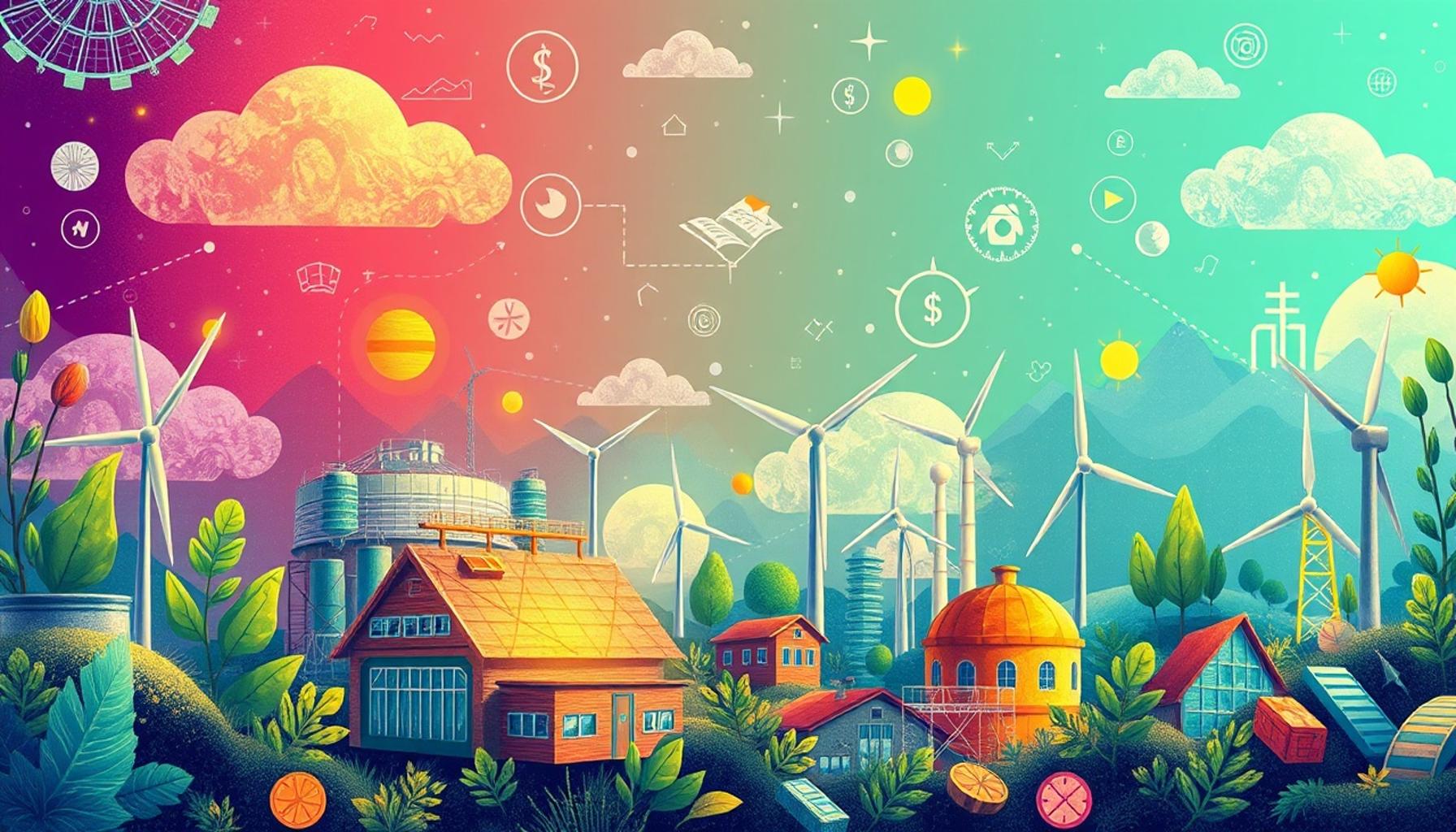
As the planet continues to face the pressing realities of climate change, a significant shift towards renewable energy sources has been observed globally. These innovations do not merely represent a trend; they are a necessary evolution in how society approaches energy consumption. By harnessing natural phenomena, we can generate power without the adverse impacts associated with fossil fuels.
Among the myriad of renewable energy sources, three have gained prominence due to their environmental advantages and technological advancements:
- Solar power: With the ability to convert sunlight directly into electricity, solar energy has seen massive growth in the U.S. In states like California and Texas, vast solar farms are now commonplace, contributing significantly to the local energy grid.
- Wind energy: Harnessing wind power through turbines is not just clean; it’s becoming more cost-effective. According to the U.S. Department of Energy, wind energy capacity has more than tripled from 2008 to 2019, demonstrating its viability as a power source.
- Hydroelectric power: This method utilizes flowing water to produce energy, and it accounts for a substantial chunk of electricity in states like Washington. The Grand Coulee Dam, for instance, is one of the largest and most efficient hydroelectric power plants in the United States.
The integration of cutting-edge technology has been pivotal in this transition. Innovations such as:
- Smart grids: These systems enhance the distribution and management of energy by using digital communication technology. Smart grids allow for real-time data analysis, determining the most efficient distribution of electricity and minimizing energy loss.
- Energy storage solutions: Battery technologies, including lithium-ion batteries, have shown significant advancements, enabling energy to be stored for later use. This capability is crucial for renewable sources like solar and wind that can produce energy intermittently. Advanced battery systems can help stabilize energy supply, ensuring consumers receive reliable power even when generation is low.
- Innovative solar panel designs: New technologies, such as bifacial solar panels that capture sunlight from both sides, are making solar energy even more efficient. The efficiency improvements result in higher energy yields from the same surface area compared to traditional designs.
The benefits derived from these innovations extend beyond environmental preservation; they also stimulate the economy by creating jobs in new sectors such as renewable energy installation and maintenance. For instance, the Solar Foundation reported that the U.S. solar industry employed over 250,000 workers in 2019, reflecting not only growth in the sector but also a commitment to energy independence.
By exploring and embracing these technological advancements, society can take significant strides towards reducing carbon emissions. The more we understand and implement these innovative solutions, the more equipped we will be to combat climate challenges and build a sustainable future.
DISCOVER MORE: Click here to learn about the role of blockchain in data security
Technological Innovations Driving Renewable Energy
The acceleration of technological innovations in renewable energy is not only reshaping the energy landscape but also revolutionizing how we approach sustainability. As we delve deeper into the various renewable sources, it’s essential to understand how these technologies enhance efficiency, accessibility, and feasibility in everyday energy consumption.
Solar Power Technology has witnessed some of the most significant advancements in recent years. For example, concentrated solar power (CSP) uses mirrors or lenses to focus sunlight onto a small area, generating heat that can be converted into electricity. This method is particularly effective in arid regions, where sunlight is abundant. Additionally, the introduction of solar tracking systems enables panels to follow the sun’s path, optimizing energy capture throughout the day. These innovations not only increase energy yield but also contribute to lower costs over time, making solar energy a more accessible option for many homes and businesses.
Wind Energy Technology has equally benefitted from advancements. The development of larger, more efficient wind turbines has made it possible to generate more power with fewer installations. Modern turbines are designed to capture wind from a wider range of speeds, maximizing energy production even during less-than-ideal conditions. Furthermore, in the U.S. Midwest, where wind resources are plentiful, advanced modeling software is being used to identify optimal locations for new wind farms. This strategic placement reduces environmental impacts while ensuring high energy output.
Moreover, the role of energy storage solutions cannot be underestimated. Innovations in battery technology, particularly in lithium-ion batteries, have allowed for better storage capabilities. The ability to store excess energy generated from solar and wind sources for use during peak demand times supports a more stable energy grid. Grid-scale energy storage systems are now being deployed to help manage fluctuations in energy supply and demand, ultimately enhancing reliability for consumers. According to the U.S. Department of Energy, enhanced energy storage capabilities will be pivotal in achieving a 100% renewable energy grid in the coming decades.
Hydroelectric technology is also evolving. Innovations such as small modular hydropower systems allow for more localized energy generation with significantly reduced environmental footprints compared to traditional large dams. These systems can be integrated into existing waterways with minimal disruption to local ecosystems, exemplifying a more sustainable approach to harnessing water power effectively.
The impact of these technological developments extends beyond energy production. They contribute to significant job creation and economic growth within the renewable energy sector. As more companies invest in these innovative solutions, the demand for skilled labor in installation, maintenance, and research continues to rise. As of 2022, the renewable energy sector in the U.S. employed over 3 million people, further cementing its role as a critical component of the economy and providing new opportunities for workers across various fields.
In summary, technological innovations in renewable energy are fundamentally changing how we produce and consume power. Through advancements in solar, wind, hydroelectric technologies, and energy storage, we not only pave the way for a greener future but also actively combat climate change by reducing our carbon footprint.
LEARN MORE: Click here to discover the future of telemedicine
The Future of Renewable Energy Technologies
The future of renewable energy technologies appears increasingly promising thanks to ongoing innovations that aim to further reduce our carbon footprint. In particular, developments in geothermal energy technology are gaining traction. By tapping into the Earth’s internal heat, geothermal systems can provide a constant and reliable energy source. Recent advancements in drilling techniques have made it possible to access deeper geothermal resources, expanding the viability of this renewable source to areas previously thought unsuitable. Enhanced geothermal systems (EGS) are examples where water is injected into hot rock formations, creating steam that generates electricity, thus providing a clean alternative for base-load energy generation.
Biogas production has also seen significant improvement through technology. This renewable energy source, derived from organic materials such as agricultural waste, has been optimized through anaerobic digestion techniques. This process not only produces clean energy in the form of methane but also allows for the efficient waste management of agricultural and municipal byproducts. As research evolves, the integration of biogas into existing natural gas grids is becoming more feasible, providing both energy and economic benefits while reducing greenhouse gas emissions significantly.
Additionally, the rise of smart grid technologies is transforming how we manage and distribute energy. Smart grids, equipped with digital communication technology, enable real-time monitoring and management of electricity flows. This advancement facilitates better integration of renewable resources, increases the resilience of energy systems, and improves energy efficiency. For instance, consumers can receive information about energy usage and pricing, allowing them to adjust consumption patterns during peak demand times, ultimately resulting in reduced costs and lower carbon footprints.
Moreover, the emergence of renewable hydrogen presents another avenue for innovation. By using surplus renewable energy to power electrolysis, water can be split into hydrogen and oxygen, producing green hydrogen, which can be stored and utilized as a clean fuel source. This process can address energy storage challenges by transforming excess renewable energy into a long-term energy carrier, suitable for transportation and industrial applications. Companies in California and beyond are investing in developing hydrogen infrastructure, illustrating a positive trend toward integrating hydrogen into our energy systems.
Innovative energy efficiency technologies are equally important in the renewable energy paradigm. The advent of smart appliances and home energy management systems allows individuals to maximize energy consumption efficiency, thereby lowering overall demand on the grid. For example, smart thermostats can learn household patterns and optimize heating and cooling systems accordingly, which not only reduces energy usage but also lowers emissions associated with energy production.
Finally, it is vital to consider the role of policy and investment in driving these innovations. Government incentives and funding for research and development play a critical role in accelerating advancements in renewable energy technologies. Programs like the Investment Tax Credit (ITC) and the Production Tax Credit (PTC) have provided essential financial support, encouraging the adoption of clean energy. States are taking similar initiatives, forming alliances to promote investment in renewable resources, and establishing renewable portfolio standards to ensure that a specified percentage of electricity comes from clean energy sources. Collectively, these efforts not only mitigate climate change impacts but also stimulate economic growth and job creation across the nation.
DIVE DEEPER: Click here to discover more
Conclusion
In conclusion, the innovations in renewable energy technologies represent a vital step toward a more sustainable future while effectively reducing our carbon footprint. From advancements in geothermal energy that unlock deeper resources, to the potential of biogas production for cleaner waste management, these technologies illustrate how creativity and science can harmonize to produce sustainable solutions. The integration of smart grid technologies enhances our ability to efficiently manage energy, enabling real-time adjustments that not only lower costs but also promote responsible consumption.
Furthermore, the rise of renewable hydrogen opens new doors for energy storage and transportation, showcasing the flexibility and adaptability of clean energy solutions. By investing in energy efficiency technologies, we empower individuals to play a crucial role in minimizing their energy consumption and emissions. These innovations are complemented by essential policy measures, which catalyze development and funding, ensuring that the transition to renewable energy is both economically viable and environmentally beneficial.
As we look toward the future, it is evident that collaboration among governments, businesses, and communities is crucial to accelerate the adoption of these groundbreaking technologies. Together, we can create a resilient energy landscape that not only meets our current needs but also safeguards the planet for generations to come. The journey toward a cleaner, greener world is underway, and embracing these innovations will be key to unlocking a sustainable future.

Linda Carter
Linda Carter is a writer and expert known for producing clear, engaging, and easy-to-understand content. With solid experience guiding people in achieving their goals, she shares valuable insights and practical guidance. Her mission is to support readers in making informed choices and achieving significant progress.