Technology and Sustainable Agriculture: How IoT is Revolutionizing Food Production
Understanding the Impact of IoT in Agriculture
The agricultural landscape is witnessing an unprecedented shift as technology increasingly becomes integral to farming practices. One of the most powerful tools reshaping this industry is the Internet of Things (IoT), which utilizes interconnected devices to enhance various farming operations. By leveraging the IoT, farmers can significantly boost productivity while promoting practices that are more environmentally sustainable.
Real-Time Data Analysis
At its core, IoT technology enables real-time data collection and analysis through a network of devices. This capability allows farmers to make informed decisions based on accurate and up-to-date information. For instance, sensors can monitor **soil health** by assessing moisture levels and nutrient content. This data can alert farmers when their crops require specific nutrients or watering, ultimately leading to healthier plants and better yields.
Enhancing Crop Management
In addition to soil monitoring, IoT plays a crucial role in effective **crop management**. By tracking growth stages and utilizing image recognition software, farmers can detect diseases early, which is vital for preventing crop loss. For example, if sensors identify abnormal patterns that might indicate a pest infestation or plant disease, farmers can take swift action, such as targeted pesticide application, rather than waiting for visible signs of trouble. This proactive approach reduces crop damage and minimizes pesticide use, aligning with sustainable farming practices.
Smart Irrigation Solutions
Water management is another area where IoT shines. Automated **irrigation systems** can adjust water distribution based on real-time soil moisture data, ensuring that crops receive just the right amount of water. This precise control not only conserves water, a precious resource, especially in arid regions, but also prevents overwatering, which can lead to root rot and other problems. For instance, California, which faces periodic droughts, has seen farmers benefit from smart irrigation technologies that optimize their water use significantly.
Supply Chain Transparency
Moreover, IoT technology enhances supply chain transparency, allowing consumers to trace the journey of their food from farm to table. This transparency builds trust and informs consumers about the origins of their food, which is particularly important in an era where there is a growing demand for sustainable practices. Applications such as blockchain technology can work in tandem with IoT to provide detailed tracking of produce, increasing accountability within the food supply chain.
As the call for sustainable agriculture continues to rise, adopting IoT technology becomes a crucial step for the future of food production in the United States. This transformation not only increases the efficiency and profitability of farms but also ensures that agricultural practices are environmentally friendly, paving the way for a more sustainable planet for future generations.
DISCOVER MORE: Click here to find out how
Transforming Farming Practices with IoT
The integration of the Internet of Things (IoT) in agriculture sets the stage for a transformation that addresses some of the most pressing challenges faced by farmers today. As the global population continues to rise, the demand for food production increases, putting additional stress on natural resources. IoT provides innovative solutions that empower farmers to maximize efficiency while prioritizing sustainable practices.
Precision Agriculture
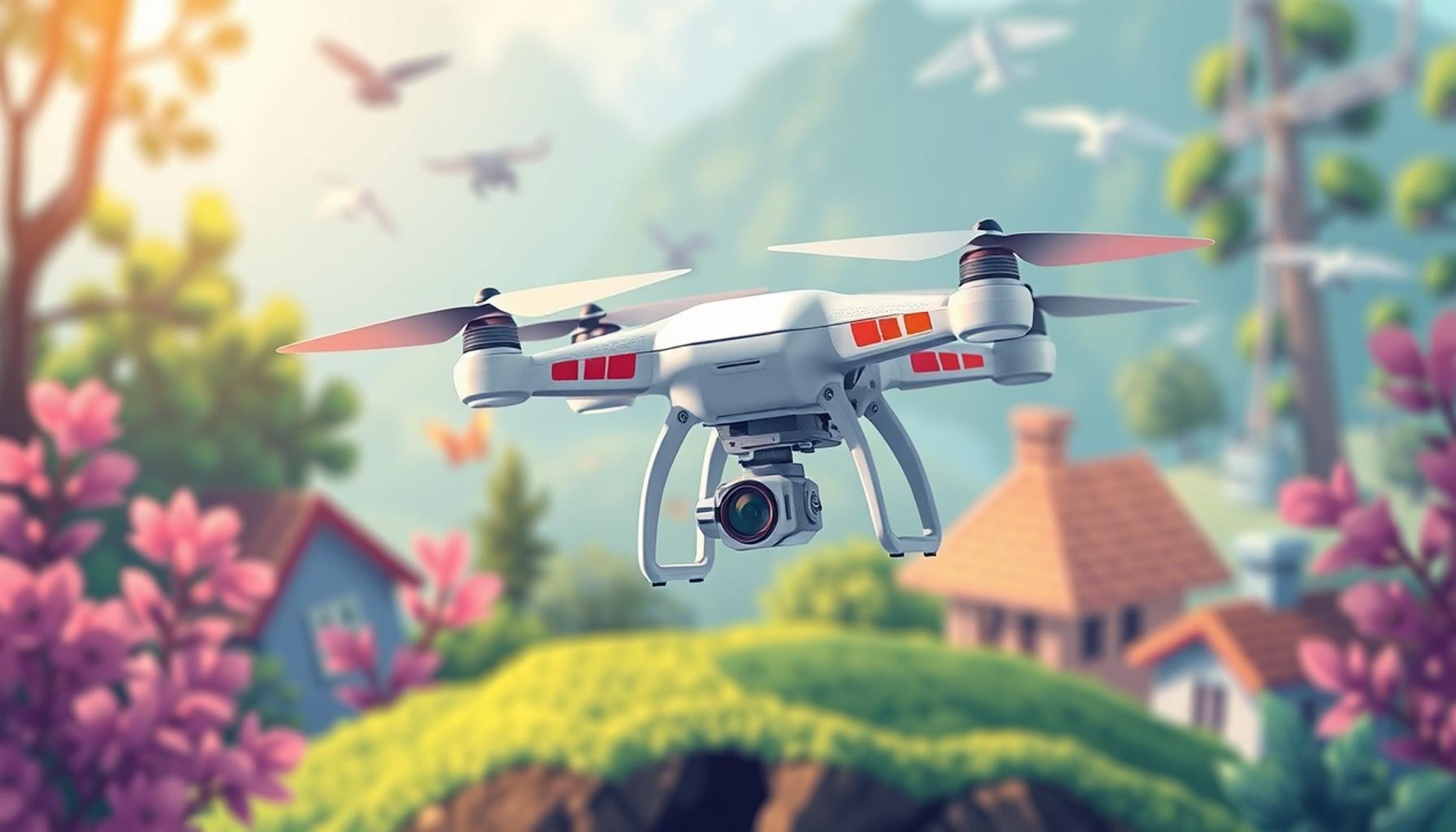
One of the most significant applications of IoT in agriculture is precision agriculture, which uses real-time data to fine-tune farming practices. This technology relies on a network of sensors, drones, and satellite imagery to gather information about various variables in the field. For example, these devices can evaluate factors such as weather conditions, crop health, and input costs to optimize planting, fertilization, and harvesting schedules.
- Monitoring Environmental Conditions: Weather stations equipped with IoT technology can provide real-time updates on temperature, humidity, and rainfall. This data helps farmers make informed decisions regarding sowing times and the protection of sensitive crops.
- Variable Rate Technology: IoT systems enable farmers to adjust the application of fertilizers and pesticides on their fields based on the specific needs of different areas, reducing waste and environmental impact.
Improving Livestock Management
The use of IoT extends beyond crop management and can significantly enhance livestock management practices. Farmers are increasingly employing wearable devices and smart collars to monitor the health and behavior of their animals. These devices track important metrics such as temperature, heart rate, and activity levels, providing insights that can lead to better overall herd management.
For instance, if an IoT device senses a rise in temperature in a cow, this might indicate illness or stress. Quick intervention can be made by the farmer to address the health issues before they escalate, thereby reducing the need for antibiotics and fostering a healthier livestock population. Moreover, these systems can also optimize feeding schedules and improve breeding decisions, resulting in healthier livestock and increased productivity.
Data-Driven Decision Making
Another notable advantage of IoT in agriculture is fostering data-driven decision-making. Farmers can analyze vast amounts of data derived from their operations, leading to actionable insights that inform future strategies. By employing advanced analytics, farmers can identify trends and adjust practices to enhance yield and sustainability.
Examples include:
- Yield Prediction: IoT systems predict crop yields based on past performance and current data, allowing farmers to plan better for harvests and market their produce effectively.
- Market Trends: By analyzing market demand data, farmers can adjust their production to match consumer preferences, reducing surplus and waste.
In essence, the use of IoT technology in agriculture is not just a modern convenience but a crucial strategy for achieving sustainable food production. As we continue to explore these advancements, it becomes clear that technology is key in meeting the industry’s challenges head-on, fostering a future where agriculture thrives in harmony with the environment.
DIVE DEEPER: Click here to discover how drones are transforming environmental conservation
Enhancing Sustainability with Smart Solutions
Beyond increasing efficiency and fostering precision, the Internet of Things (IoT) also plays a vital role in promoting sustainability within agricultural practices. By employing smart technologies such as connected devices and data analytics, farmers can minimize waste, conserve natural resources, and implement environmentally friendly strategies that protect our planet.
Water Management
Efficient water usage is crucial in agriculture, especially given the ongoing challenges posed by drought and climate change. IoT technologies are transforming irrigation systems by incorporating sensors that monitor soil moisture levels in real-time. This allows farmers to irrigate only when necessary, conserving water and ensuring optimal conditions for crops.
For instance, smart irrigation systems can deliver precise amounts of water to specific sections of a field based on the current moisture needs determined by the sensors. This precision reduces water waste, prevents over-saturation, and supports the sustainable use of water resources. A study by the USDA found that utilizing IoT-enabled irrigation systems can save up to 50% of water used in traditional agricultural practices, demonstrating the profound impact of this technology on resource conservation.
Soil Health Monitoring
Maintaining healthy soil is essential for long-term agricultural sustainability. IoT devices are now being employed to monitor soil health through sensors that measure nutrient levels, pH balance, and microbial activity. This ongoing assessment enables farmers to make informed decisions about soil management, ensuring that techniques such as crop rotation and cover cropping are effectively applied.
For example, data collected from soil sensors can indicate when and where to add organic fertilizers, thereby reducing reliance on chemical inputs. This leads not only to improved soil fertility but also contributes to a reduction in harmful runoff, protecting local waterways from contamination. By utilizing these insights effectively, farmers are better equipped to enhance the ecological health of their land.
Reducing Carbon Footprint
As the agricultural industry grapples with its contributions to greenhouse gas emissions, IoT technologies provide innovative solutions that assist in reducing carbon footprints. For instance, smart logistics systems can optimize the supply chain, ensuring that produce reaches markets with minimal environmental impact. IoT platforms can track transportation routes and schedules, efficiently managing fuel consumption and leading to lower emissions.
Additionally, adopting IoT for energy management within farms can lead to significant reductions in energy usage. Smart sensors can monitor and control energy-intensive processes, such as heating in greenhouses or lighting in livestock facilities, thus helping farmers create energy-efficient environments.
Enhancing Crop Diversity
The incorporation of IoT technologies can also champion crop diversity, which is vital for resilient agricultural practices. By utilizing data analytics, farmers can assess the viability of different crops under varying environmental conditions. This allows them to make educated planting decisions, selecting crops that are best suited to their specific climate and soil conditions.
For example, a farmer in California may analyze local weather data alongside soil health metrics to determine that planting a drought-resistant variety aligns more effectively with predicted climate patterns. This not only produces a more resilient crop yield but also promotes biodiversity and strengthens the local ecosystem over time.
In summary, IoT technologies are ushering in a new era of agricultural practices that prioritize sustainability without sacrificing productivity. By harnessing the power of data and connectivity, farmers can enhance their practices, reduce their environmental impact, and ultimately contribute to a healthier and more sustainable food system.
DISCOVER MORE: Click here to learn about innovative solutions for the climate crisis
Conclusion
In conclusion, the integration of the Internet of Things (IoT) into agriculture is not merely a trend; it is a transformative force that is fundamentally reshaping how we produce food sustainably. By enabling farmers to leverage real-time data and advanced analytics, IoT facilitates smarter water and soil management, which ultimately leads to optimized resource use and greater crop yields.
As we face critical challenges such as climate change and resource scarcity, the importance of adopting technologies that enhance sustainability cannot be overstated. Efficient irrigation systems reduce water waste, while precise soil monitoring helps farmers apply fertilizers judiciously, minimizing their environmental footprint. Enhanced logistics powered by IoT reduce emissions, demonstrating a clear pathway toward sustainable food distribution. Additionally, encouraging crop diversity helps ensure agricultural resilience, contributing to both ecological balance and food security.
As we embrace these innovations, it is paramount for stakeholders, from farmers to policymakers, to support the broader adaptation of IoT technologies in agriculture. By investing in these smart solutions and fostering a culture of sustainability, we have the potential to revolutionize food production, ensuring a healthier planet for future generations. The future of agriculture lies in our ability to harness technology responsibly, thereby creating a sustainable food system that meets the needs of our communities while preserving our natural resources.

Linda Carter
Linda Carter is a writer and expert known for producing clear, engaging, and easy-to-understand content. With solid experience guiding people in achieving their goals, she shares valuable insights and practical guidance. Her mission is to support readers in making informed choices and achieving significant progress.